

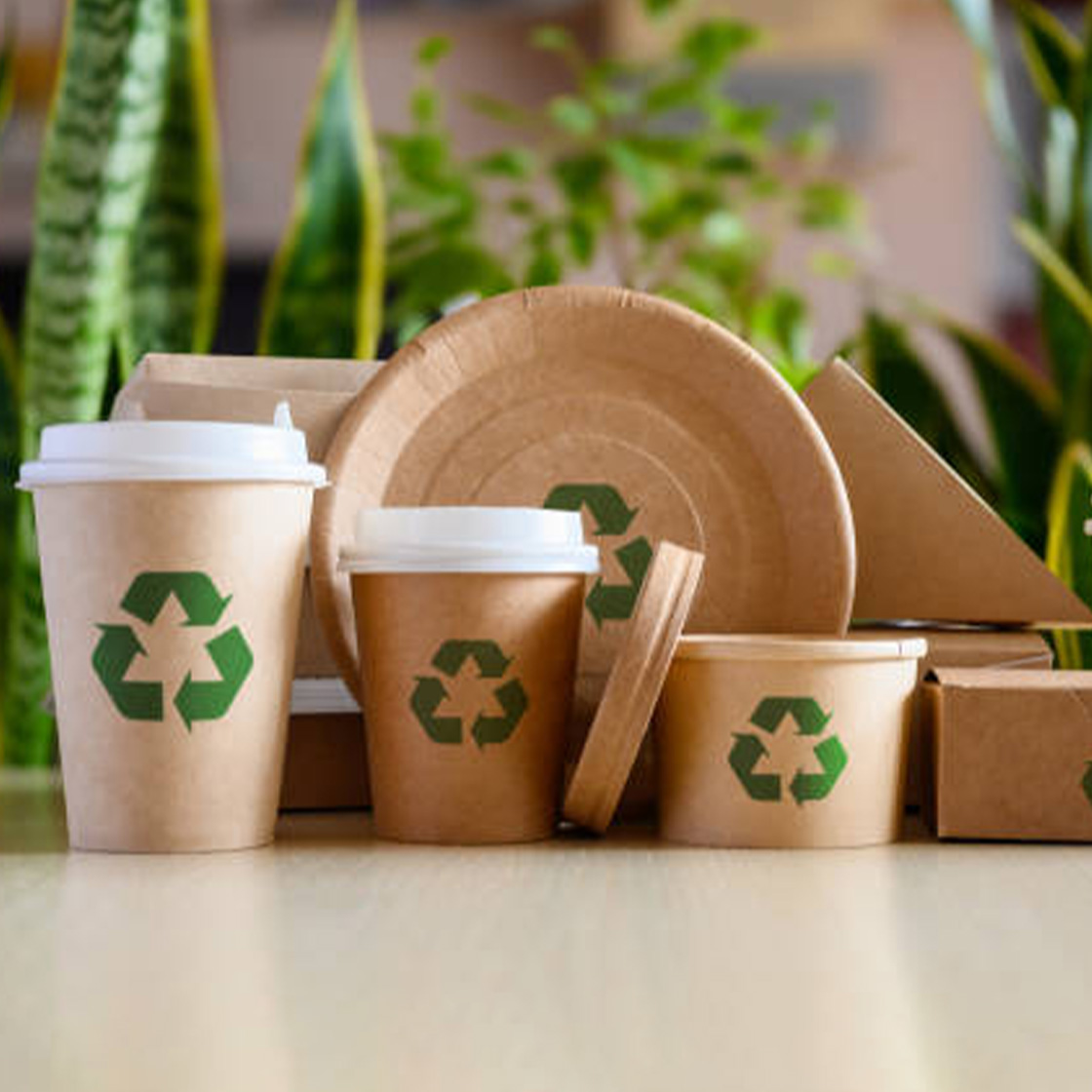
Introduction to Cartons

Welcome to our deep dive into the world of food packing cartons! These seemingly ordinary items play a vital role in keeping our food fresh and safe during storage and transport. Whether you’re picking up a carton of milk from the grocery store or ordering takeout in a paperboard container, cartons are an integral part of our daily lives.
As sustainability becomes increasingly important, many people are beginning to question the environmental impact of the packaging they use. Are these packing boxes contributing to our growing waste problem, or can they break down naturally over time? Understanding the materials and processes involved in making cartons is the first step to answering these questions.
Most cartons are made from a mix of paperboard, plastic, and sometimes aluminum. This combination of materials can make it challenging for the cartons to decompose naturally. While paperboard is biodegradable, the plastic and aluminum linings often used in food cartons are not, slowing down the degradation process and making it more complicated.
You might have noticed that some cartons are labeled as recyclable or compostable. Recyclable cartons are designed to be processed and reused in manufacturing, whereas compostable cartons are meant to decompose entirely under the right conditions. Each type has its own set of advantages and challenges, and it’s essential to understand these differences to make informed choices about the products you use.
Given these complexities, it’s no surprise that not all recycling facilities can handle every type of carton. The mixed materials present unique challenges that require specialized processes to separate and recycle effectively. As consumers, it’s essential to follow local recycling guidelines to ensure that your efforts contribute positively to waste management.
The good news is that many companies are actively working on innovative solutions to make cartons more sustainable. From using renewable energy sources in production to developing new, eco-friendly materials, the industry is moving toward greener practices. These advancements are encouraging and show that positive change is possible.
So next time you reach for a carton, whether it’s for food or any other product, remember the impact it has and the efforts being made to improve its sustainability.
Biodegradability of Cartons
When discussing the biodegradability of cartons, it’s essential to consider the various materials used in their production. Traditional cartons often consist of paperboard combined with plastic or aluminum linings. While the paperboard component is biodegradable, the added layers of plastic and aluminum can significantly hinder the breakdown process.
Recyclable and compostable cartons offer different environmental benefits. Recyclable cartons are designed to be processed through recycling systems, where the materials are separated and reused. In contrast, compostable cartons are intended to decompose fully in a composting environment, returning to the soil without harmful residues. These compostable options generally have a lower environmental footprint because they break down naturally under the right conditions.
The complexity of these materials means that not all recycling facilities can handle every type of carton. The mixed materials require specialized processes to separate and recycle effectively, which is why it’s crucial to follow local recycling guidelines. Compostable cartons, on the other hand, require specific composting conditions to break down properly. This often means they need to be processed in industrial composting facilities, as home composting setups may not reach the necessary temperatures.
Innovations in sustainable packaging materials are addressing these challenges. Some companies are exploring plant-based materials that can offer the same protective qualities as traditional cartons while being easier to compost. These new materials aim to minimize the environmental impact of packaging while maintaining the functionality required to keep food fresh and safe.
Efforts to improve the biodegradability of cartons are ongoing, and many companies are actively researching and developing more eco-friendly options. By investing in these advancements, the packaging industry is making strides toward a more sustainable future. These innovations are encouraging, showing that with the right choices, we can reduce the environmental impact of the packaging we use every day.
Environmental Impact
The environmental impact of cartons is multifaceted. On the one hand, they help reduce plastic usage, which is a significant benefit. On the other hand, the difficulty in processing multi-material packaging can pose challenges to waste management systems. The combination of paperboard with plastic or aluminum linings complicates the recycling process, requiring specialized facilities and processes that are not always available.
Despite these challenges, some companies are making notable strides toward sustainability. For instance, Tetra Pak is actively working to decrease its environmental footprint.
This demonstrates that large-scale efforts can make a meaningful difference.
In addition to corporate initiatives, advancements in material science are also helping to mitigate the environmental impact of cartons. Researchers are developing new, eco-friendly materials that offer the same protective qualities as traditional cartons but with improved biodegradability and recyclability. These innovations are critical for reducing the environmental burden associated with packaging.
Another aspect to consider is the end-of-life options for cartons. While recycling is a viable option for many types of cartons, it is essential to follow local recycling guidelines to ensure they are processed correctly. Mismanagement can lead to contamination and inefficiencies in the recycling system. Compostable cartons offer an alternative, but they require specific conditions to break down effectively, usually available only in industrial composting facilities.
Furthermore, consumer behavior plays a vital role in the environmental impact of cartons. Educating consumers about proper disposal methods and the benefits of choosing sustainable packaging can lead to better waste management practices. When consumers are informed and make eco-friendly choices, they contribute to a system that supports sustainability.
In summary, while the environmental impact of cartons is complex, ongoing efforts in innovation and corporate responsibility are paving the way for more sustainable packaging solutions. With continued advancements and increased awareness, the industry can reduce its environmental footprint and contribute to a healthier planet.
Alternatives to Traditional Cartons
As we explore alternatives to traditional cartons, it’s exciting to see the innovative strides being made in sustainable packing materials. Many companies are turning to plant-based options that not only offer the same level of protection for food but also have a reduced environmental footprint. Materials like bamboo, cornstarch, and sugarcane fibers are gaining traction as viable substitutes for conventional paperboard and plastic. These plant-based materials are often biodegradable and can break down more easily in composting conditions, making them a promising solution for reducing waste.
In addition to plant-based materials, some companies are experimenting with new forms of paper and cardboard that incorporate recycled content. These innovations aim to use less virgin material, thereby conserving resources and reducing the overall environmental impact. For example, paper companies are developing cartons made from recycled paper fibers that still offer the rigidity and durability needed to protect food items. This not only reduces the need for new raw materials but also provides an avenue for recycling post-consumer waste.
Another exciting development is the use of biopolymers, which are plastics derived from renewable sources like plants. Unlike traditional plastics, which are made from petroleum, biopolymers can decompose more naturally, especially when processed in industrial composting facilities. This makes them a more sustainable choice for lining cartons and other packing applications where moisture resistance is crucial.
Water-based coatings are also being explored as an alternative to plastic linings in cartons. These coatings can provide a barrier to moisture and grease without relying on petroleum-based plastics. By using water-based solutions, companies can create cartons that are easier to recycle and compost, further enhancing their environmental benefits.
Some companies are even exploring edible packaging solutions. While still in the experimental stages, these materials can potentially eliminate waste altogether by allowing consumers to eat the packaging along with the product. Though it might sound futuristic, such innovations highlight the creative approaches being taken to address the sustainability challenges of food packing.
By investing in these new materials and technologies, the packing industry is making significant strides toward a greener future. These alternatives to traditional cartons demonstrate that with innovation and commitment, it’s possible to develop effective and environmentally friendly packing solutions.
Recycling and Disposal
Recycling cartons effectively hinges on understanding local guidelines and best practices. Due to the mixed-material composition of many cartons, not all recycling facilities can process them. Therefore, it’s essential to check your local recycling regulations to determine if and how cartons can be recycled in your area.
One of the main challenges in recycling cartons is the separation of materials. Cartons often contain layers of paperboard, plastic, and sometimes aluminum, which need to be separated before the recycling process can proceed. Specialized facilities are equipped to handle this separation, but they are not universally available. Contamination is another issue that can impede successful recycling. It’s crucial to ensure that cartons are clean and free from food residue before placing them in the recycling bin. This helps prevent contamination and increases the likelihood that the materials will be successfully processed and reused.
For recyclable cartons, rinsing them out and flattening them can make a significant difference. This simple step not only conserves space but also makes the recycling process more efficient. If your local facility accepts cartons, placing them in the correct recycling bin is essential for them to be processed properly.
Compostable cartons offer another disposal option, but they require specific composting conditions to break down effectively. These conditions are usually found in industrial composting facilities, which can reach the high temperatures needed to decompose the materials fully. Home composting setups often lack these conditions, so it’s important to verify if your local composting facility can handle compostable cartons.
Consumers also play a crucial role in improving recycling rates. Educating yourself and others about proper disposal methods can lead to better waste management practices. For example, understanding which types of cartons are accepted by your local facility and how to prepare them for recycling can make a significant impact.
In addition to individual efforts, supporting companies that invest in sustainable packaging solutions can drive broader change. By choosing products with recyclable or compostable packaging and encouraging others to do the same, we can collectively push for a more sustainable future.
Conclusion and Future Outlook
As we reflect on the use and environmental impact of food packing cartons, it’s clear that significant strides are being made to improve their sustainability. Companies are increasingly investing in renewable energy and innovative materials to create more eco-friendly packaging options. These efforts are vital for reducing the environmental footprint associated with traditional packing methods.
One of the most promising aspects of the future is the growing market for sustainable packaging. This shift indicates a rising awareness and demand for products that prioritize environmental health. By 2028, the global sustainable packaging market is expected to exceed 393 billion U.S. dollars, highlighting the increasing demand for sustainable solutions.
Consumers play a crucial role in this transition by making informed choices and supporting companies committed to sustainable practices. Opting for recyclable or compostable cartons can significantly contribute to reducing waste and promoting a healthier environment. Additionally, educating oneself about proper disposal methods can enhance the effectiveness of recycling programs and ensure that materials are processed correctly.
Innovation in materials is another key factor driving change. The development of plant-based options and biopolymers offers new avenues for creating packaging that is both effective and environmentally friendly. These materials often decompose more naturally and can be processed more easily in composting facilities, making them a viable alternative to traditional options.
As the industry continues to evolve, collaboration between consumers, companies, and waste management systems will be essential. By working together, we can create a more sustainable future where food packing cartons have a minimal environmental impact. The collective effort of choosing eco-friendly products, supporting innovative solutions, and practicing proper disposal methods will pave the way for lasting change.
In conclusion, the journey toward sustainable food packing cartons is ongoing, but the progress made so far is encouraging. By staying informed and making conscious choices, we can all play a part in fostering a more sustainable world. The future of packaging holds great promise, and with continued innovation and awareness, we can achieve a greener, healthier planet.
